Spring gets the fame, but anglers who learn how to catch crappie in fall often catch their biggest numbers — and some of their biggest fish — in October and November. As the water cools, crappie leave their deep summer haunts, follow schools of shad toward the creeks, and group up on brush and docks to feed hard before winter. This guide covers where they go at each stage of the cooldown, and the minnows, jigs, and light tackle that catch them.
Why Fall Is Prime Time for Crappie
Crappie are school fish that live on small baitfish, and fall stacks the deck in your favor. Cooling water pushes shad into creek arms, coves, and bays, and crappie follow on a reverse migration — from deep summer structure back toward the shallows they used in spring. State fisheries biologists in Missouri describe fall crappie as predictable and aggressive in October and November: the fish are well fed from a summer of baitfish, and shortening days tell them to keep eating.
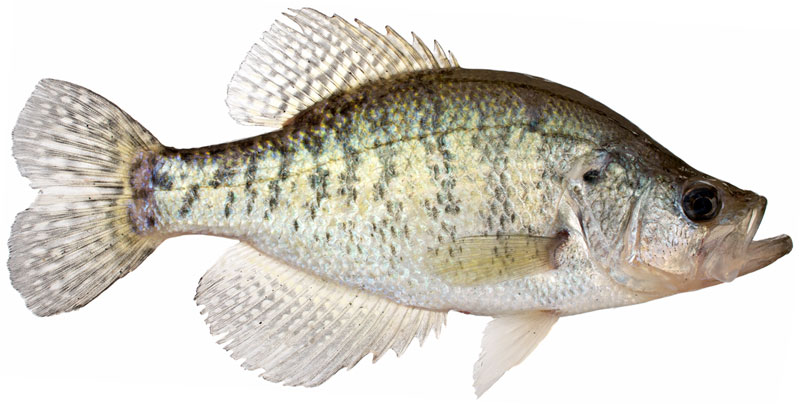
Two species share most lakes and reservoirs, and telling them apart is simple. The white crappie is silvery with 5 to 10 faint, dark vertical bars and usually 6 spines in its dorsal fin. The black crappie wears irregular dark speckles instead of bars and has 7 or 8 dorsal spines. Both feed primarily on small fish — minnows and young shad — plus aquatic insects and small crustaceans, which is why a live minnow and a small jig cover almost every fall situation.
Where to Find Fall Crappie
Do not start by opening the tackle box. Start by picking the kind of structure a migrating crappie cannot pass without stopping, then work it in this order:
- Brush piles and stake beds. The fall home base. Crappie suspend on or just above sunken brush in 8 to 14 feet of water, especially brush placed near a creek channel.
- Docks and boat slips. Shaded dock edges hold fish in the upper 10 feet, and on warm fall days they slide shallow over spring-spawn brush.
- Creek channel bends and swing banks. Where a channel swings in against a bank, current funnels shad past a perfect ambush point — and schools gang up on the bend.
- Standing timber in feeder creeks. Feeder creeks with steady flow cool faster than the main lake, so bait and crappie often arrive there first.
- Deep ridges and channel edges. The late-fall and winter address. As the water keeps cooling, crappie gather into suspended schools 20 to 30 feet deep or deeper over ridges and river channels.
Follow the temperature, not the calendar
Depth matters more than the date. While water temperatures are still in the 60s, look in 6 to 12 feet around brush, docks, and channel edges. As they fall through the 50s, expect fish in 12 to 20 feet — and below about 55°F, the midday bite often beats the early morning one, because crappie feed through the day in cold water. One warning: during fall turnover, when the lake mixes, crappie scatter for a few days — but creek arms settle first, so creek docks and brush stay catchable while the main lake is still a mess.
Best Bait for Fall Crappie
The live minnow: still the most reliable
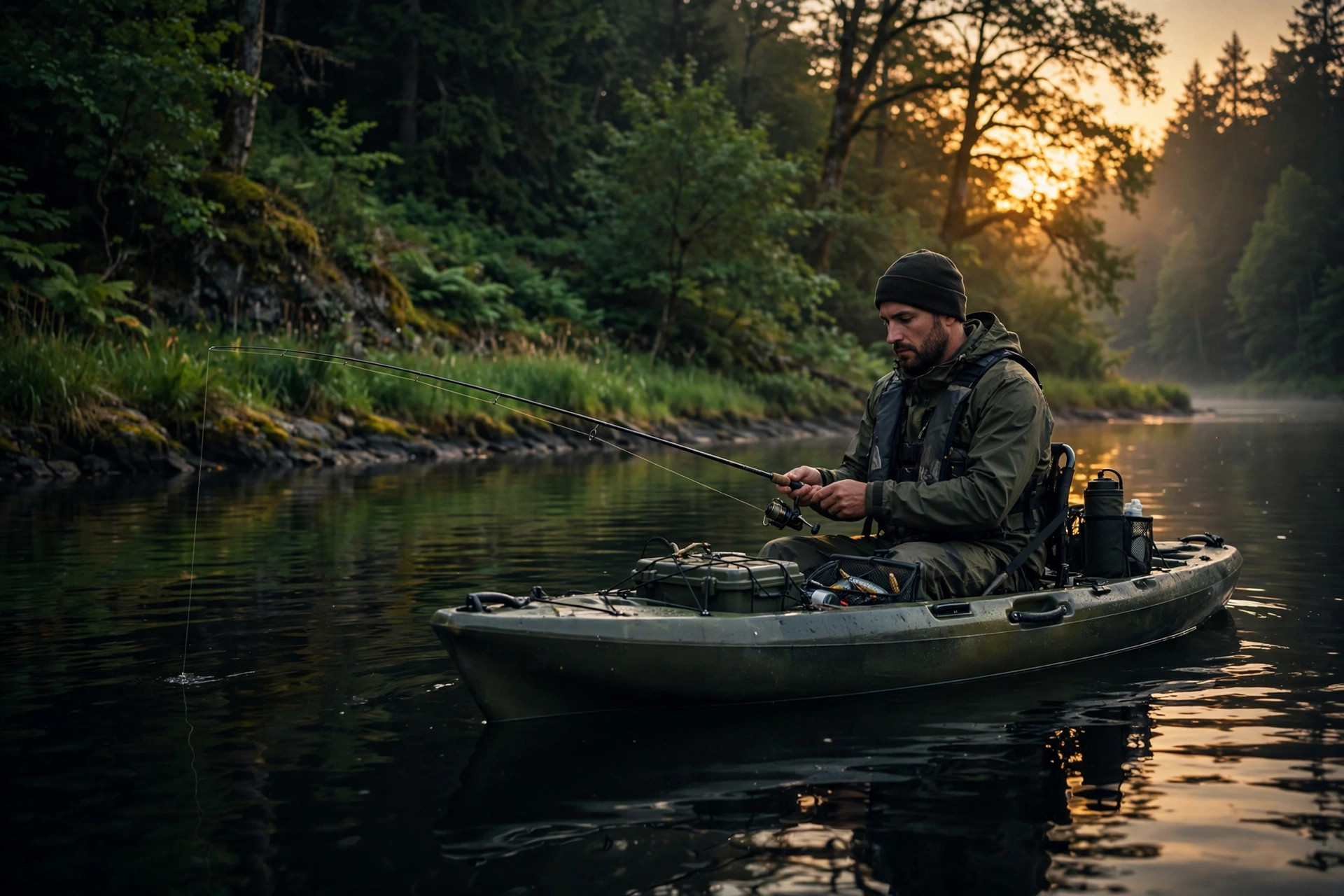
A small shiner minnow on a light hook under a slip bobber, set to suspend right at the depth the school is holding, is still the most reliable crappie technique anywhere. Hook the minnow lightly through the back or lips so it stays lively, keep it just above the brush rather than down in it, and give the school a few minutes: the first fish often brings the rest of the group up with it.
Best Jigs and Lures for Fall Crappie
Vertical jigging over brush
Over a brush pile, drop a 1/16- to 1/8-ounce jig — a small tube, marabou, or shad-body plastic in white, chartreuse, or pink — straight down to the top of the cover and hold it nearly still. Crappie bite a jig that barely moves far more often than one that dances. A tiny jigging spoon lifted and dropped just one to two feet is the late-fall specialist: fish strike as it flutters back down.
Casting jigs to docks and edges
When crappie sit shallow under docks, cast the same jig past the target and swim it back slowly at the depth the fish are holding — crappie feed looking up, so a jig a foot above the school gets eaten while one below it gets ignored. Count the jig down before the retrieve, and repeat the count that produces: a fall school holds at one depth for hours.
Light Tackle That Lets You Feel the Bite
Crappie have famously soft mouths — anglers call them “papermouths” — and their bite often feels like nothing more than extra weight or a light tick. A 6½- to 7-foot light-power spinning rod with a 1000–2000 reel and 4–6 lb monofilament (or light braid with a short mono leader) is the standard fall setup. For vertical work over deep brush, a longer 9- to 10-foot jigging rod lets you drop on fish straight below the boat. Set the hook with a lift, not a bass-style swing: hooks tear out of that soft mouth easily.
Log the Depth and the Pattern Repeats
Fall crappie are creatures of exact depth: two schools on the same brush pile a week apart often hold within a foot of each other if the temperature has not moved much. Log the depth, water temperature, and structure with each crappie in your COUNT THE CATCH journal, and within a few trips you stop hunting the whole lake and just visit a short list of brush piles, docks, and channel bends.
Key takeaway: In fall, follow the shad toward the creeks and fish the structure on the way: brush piles and docks while the water is in the 60s, deeper channel edges as it falls through the 50s. A minnow under a slip bobber or a 1/16-ounce jig held almost still does the catching — depth is the detail that decides everything. Browse tournaments on COUNT THE CATCH →
Know Your Limits Before You Fill the Cooler
Crappie are famous table fish, and fall schools make a limit feel easy — but minimum lengths and daily limits vary by state and even by lake, so check your current local rules before you keep a fish; our resources page is a good starting point. A quick, correct measurement — the technique in our tournament measuring guide — settles any borderline fish in seconds. Consider keeping a few mid-sized fish and releasing the biggest slabs: those large females carry the next generation.
Go Work a Brush Pile This Week
Pick one creek arm with docks and sunken brush, start on the brush closest to the channel, and fish each stop from the top of the cover down. Minnow first for fast bites, jig to learn the pile. Note the depth of the first school and repeat it on the next pile — that is the whole fall crappie playbook, and November is when it pays best. Tight lines, and we will see you on the leaderboard.